
Eating disorders are complex mental health conditions characterized by severe disturbances in eating behaviors and related thoughts and emotions. While they often manifest through food, such as restricting intake, bingeing or purging, the root cause is rarely just about food itself. They are serious medical illnesses that can affect people of all genders, ages and backgrounds, often stemming from deeper emotional struggles or trauma.
Eating Disorder Treatment
The battle against an eating disorder often has little to do with food. We’ll help you find and fight the cause of your disordered eating, and support your recovery process.
Eating disorders are complex and can show up in many different behaviors related to food and the body. The type of eating disorder one has is determined by how one eats and other behaviors related to food. Eating disorders can be extremely dangerous. Untreated eating disorders can cause serious health problems, organ damage, and nutrition deficiencies.
Despite the stereotype that women are the only sufferers, studies show that 1 in every 3 people with an eating disorder identifies as male. Anyone can suffer from negative body image, body dysmorphia, and disordered eating, including females, males, and non-binary individuals across all age groups.
The 3 Most Common Types of Eating Disorders
- Binge Eating Disorder
Believed to be the most common eating disorder, individuals with binge eating disorder consume large amounts of food without control, typically done privately or in secret. Unlike bulimia, there is no purging after a binge associated with binge eating disorder.
- Anorexia Nervosa
People with anorexia tend to view themselves as overweight even if they are not. They monitor their weight constantly, avoid certain types of food, and severely restrict their food intake. They may also over-exercise to burn calories.
- Bulimia Nervosa
Bulimia is an eating disorder associated with binge eating followed by purging. Binges often involve food the individual often tries to avoid and involves a feeling of lack of control.
If you or someone you love is dealing with an eating disorder, help is available. Often, people choose inpatient treatment for severe eating disorders which can help reduce the immediate danger of the disorder. Most of the time, individuals benefit from a team treatment approach, working with a doctor in addition to a therapist who specializes in eating disorders or a Registered Dietitian or Nutritionist.
Our eating disorder therapists can help you find the root of your eating disorder, whether that is a family history of addiction, trauma, body dysmorphia, or other cause. We can help you make peace with your body and with your relationship to food. We can walk beside you as you unlearn harmful messages from society, remove external measures of health and “goodness”, and reach the larger goal of body and food acceptance.
Seeking the help of a Registered Dietitian can help even further if you are in need of nutrition counseling and nutrition therapy. Our Registered Dietitian can help you in your eating disorder recovery by providing a structured, individualized meal plan that nourishes your body as well as tools to cope with disordered eating triggers.
What is HAES?
Our eating disorder specialists work from a Health At Every Size (HAES) framework, meaning we believe that body size and shape does not indicate the health of the body. HAES stands against the idea of an “ideal” body type, recognizing that body shapes and sizes are impacted by other attributes like age, race, national origin, gender, sexuality, disability status, and more. Learn more about HAES here.
Signs of Eating Disorders in Kids under 12
Eating disorders impact people of all ages, even children. There are many factors at play that impact a child’s understanding of food and body morality. The most common eating disorders in young kids are Avoidant/Restrictive Food Intake Disorder, Pica, and Anorexia nervosa. Childhood eating disorders look a little different than in adults and can be subtle. It’s important to seek help quickly if you suspect your child might be dealing with an eating disorder. Some early signs may include:
- Fear of stomach aches
- Aversions to tastes or textures
- Tantrums
- Excessive bowel movements
- Worrying about body image
Signs of Eating Disorders in Kids and Teens over 12
Spotting teen eating disorders can be difficult as they may try to hide their disorder from you. Often, teens will experiment with different or trendy eating styles (like vegan or carb-free diets) or sometimes skip meals. These behaviors are not concerning unless you begin to suspect they are hiding a bigger problem under the guise of one of these ways of eating. If you believe your teen has an eating disorder, speak to their doctor or therapist right away to get an assessment and help. Some signs of a teen eating disorder are:
- Eating large amounts of food at once, without control
- Eating when not hungry
- Sneaking away to eat, hiding food, or eating alone
- Feelings of self-disgust after eating
- Avoiding eating around others
- Vomiting or using laxatives
- Fasting
- Excessive exercise
- Eating extremely small portions
- Regularly skipping meals
- Obsession with food
- Counting calories, etc.
- Creating food rituals (like counting chews, etc.)
- Fear of being overweight
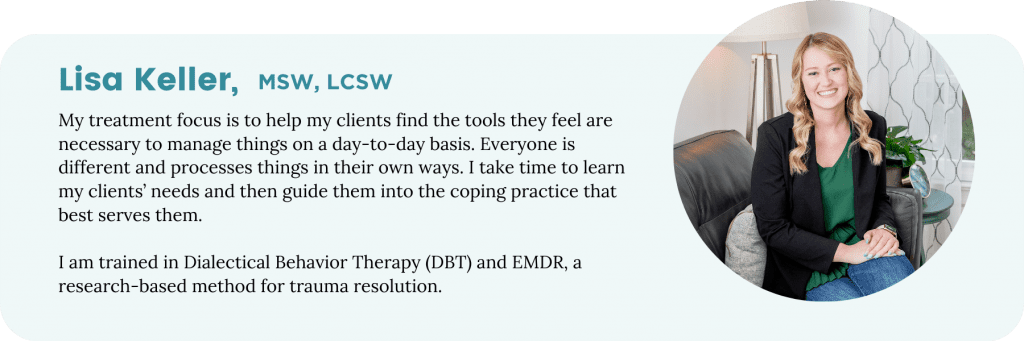
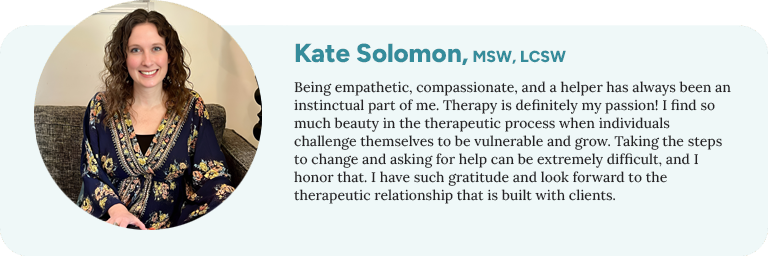
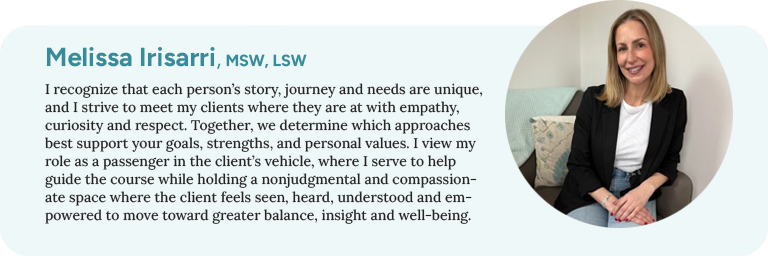
Meet Our Eating Disorder Treatment Team:
FAQs About Eating Disorder Treatment in Illinois
What kind of health problems can eating disorders cause?
Untreated eating disorders can lead to severe and sometimes life-threatening physical complications due to malnutrition or harmful behaviors. Common issues include damage to vital organs like the heart and kidneys, serious electrolyte imbalances, bone density loss and gastrointestinal distress. Because the body isn’t getting the nourishment it needs to function, virtually every system in the body can be negatively impacted over time.
Who is usually impacted by eating disorders?
The reality is that eating disorders can affect anyone. While we often hear about teenagers and young women being affected, these disorders also impact children, adults and seniors across all races, genders and socioeconomic backgrounds. Whether you are a busy professional, a parent or a student, anyone can suffer from negative body image and the need for control that often drives these behaviors.
What causes someone to develop disordered eating?
There is rarely a single cause; instead, it is usually a combination of biological, psychological and environmental factors. Our therapists often find roots in family histories of addiction, past trauma, severe stress or societal pressures regarding body image. Disordered eating often serves as a coping mechanism for these deeper emotional pains, which is why effective treatment focuses on the underlying issues, not just the food.
How can I learn to feel good about myself regardless of my body size?
We strongly believe in the Health At Every Size (HAES) framework, which affirms that health and worthiness are not determined by a number on a scale. Learning to feel good involves unlearning harmful societal messages about “ideal” bodies and shifting your focus toward how your body feels and functions rather than how it looks. Therapy can walk beside you in this journey, helping you separate your self-worth from external measures and moving toward genuine body acceptance.
Do eating disorders look different in children?
Yes, signs of eating disorders in children under 12 can be much more subtle than in adults or teens. You might notice behaviors like a sudden fear of stomach aches, intense aversions to specific textures, or excessive worrying about body image. Because children may not have the vocabulary to express their feelings, these internal struggles often manifest as tantrums or physical complaints, making early professional assessment vital.
Reviews
What Our Past Clients Have To Say



Contact Us
- Phone: 630-563-0044
- Fax: 630-914-6054
NUVEW | Copyright 2026. All Rights Reserved | Accessibility Notice | Privacy Policy